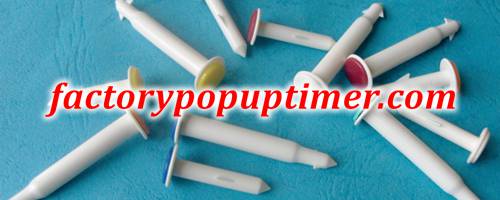
The Role of Disposable Pop-Up Timer Factories in Modern Poultry and Food Processing
The Role of Disposable Pop-Up Timer Factories in Modern Poultry and Food Processing
Modern poultry and food processing industries require reliable tools that support product quality, production efficiency, and consumer confidence. While disposable pop-up timers are small components, they can play an important role in commercial food applications.
For large-scale food manufacturers, the key requirement is not only the product itself, but also the ability of a supplier to provide stable production, consistent quality, and long-term manufacturing support.
A specialized disposable pop-up timer factory helps global food companies integrate reliable temperature indication solutions into their production systems.
Why Food Processing Companies Use Disposable Pop-Up Timers
Food manufacturers need practical solutions that help indicate cooking completion and support standardized production processes.
Disposable pop-up timers are commonly considered for applications where companies require:
- Simple temperature indication
- Single-use application
- Consistent performance
- Easy integration into food products
- Commercial-scale supply
For industrial food operations, supplier reliability is just as important as product function.
The Importance of Manufacturing Capability in Food Applications
Food processing companies often purchase products in large quantities and require stable supply throughout the year.
A qualified manufacturing partner should be able to support:
- Bulk production
- Repeat orders
- Customized requirements
- Quality consistency
- International supply programs
This is why many companies prefer working directly with specialized factories.
Applications in Poultry Processing
Poultry processing is one of the important industries where disposable pop-up timers can be used.
Commercial applications may include:
- Turkey products
- Chicken products
- Whole poultry preparation
- Frozen poultry programs
- Ready-to-cook products
These industries require suppliers that understand commercial production environments and large-volume requirements.
How Factories Support Industrial Food Customers
Product Development Support
Industrial buyers may have different requirements depending on their products and markets.
Manufacturers can support discussions related to:
- Activation temperature
- Product specifications
- Packaging format
- Application requirements
Reliable Bulk Manufacturing
Large food companies require suppliers capable of maintaining consistent production across multiple orders.
Professional factories focus on:
- Production planning
- Process control
- Quality inspection
- Delivery coordination
OEM and Private Label Support
Many food companies operate their own brands and require customized solutions.
OEM manufacturing may include:
- Custom packaging
- Brand-specific requirements
- Bulk packaging options
- Customized product solutions
Why Specialized Manufacturers Matter in Food Supply Chains
A factory focused on disposable pop-up timers develops product knowledge that general suppliers may not have.
Specialization helps manufacturers better understand:
- Food industry requirements
- Customer expectations
- Production challenges
- Quality standards
This knowledge improves communication between manufacturers and industrial buyers.
Manufacturing Requirements for Commercial Food Buyers
| Requirement | Why It Matters |
|---|---|
| Stable production | Supports continuous manufacturing schedules |
| Consistent quality | Maintains product reliability |
| OEM capability | Supports customized business needs |
| Export experience | Improves international cooperation |
| Technical communication | Reduces misunderstanding |
Challenges Food Companies Face Without Reliable Suppliers
Production Interruptions
Unstable supply can affect production planning and delivery schedules.
Quality Variation
Inconsistent manufacturing may create difficulties for companies managing strict product standards.
Limited Customization Options
Food brands may need customized solutions that ordinary suppliers cannot provide.
How Global Buyers Evaluate Food Processing Suppliers
Professional procurement teams often review:
- Manufacturing history
- Product specialization
- Quality management
- Production capacity
- OEM experience
- Customer support
A strong supplier should demonstrate both technical ability and long-term cooperation potential.
Frequently Asked Questions About Disposable Pop-Up Timer Factories for Food Processing
Are disposable pop-up timers used in food processing?
Yes. They are used in various food applications where temperature indication and single-use solutions are required.
Why do poultry companies need specialized suppliers?
Poultry companies often require stable bulk supply, consistent quality, and reliable production support.
Can factories provide customized solutions for food manufacturers?
Yes. Professional manufacturers can support OEM requirements including specifications and packaging.
What should food companies look for in a supplier?
Companies should evaluate manufacturing experience, quality control, production capability, and communication.
Why choose a direct manufacturer?
Direct manufacturers provide closer cooperation, better production understanding, and stronger customization support.
Manufacturing Partnerships Support the Future of Food Production
As global food industries continue to expand, reliable manufacturing partnerships become increasingly important.
A specialized disposable pop-up timer factory provides more than products. It provides manufacturing expertise, supply stability, and the ability to support long-term industrial requirements.
For poultry processors and food manufacturers, choosing the right production partner helps create a stronger and more efficient supply chain.
Disclaimer: The term "pop up timer" has become a common product category name in the food thermometer industry. This website represents an independent manufacturer from China specializing in disposable pop-up timers and temperature indicators. We are not affiliated with, authorized by, or connected to any other brands, companies, or trademark owners mentioned in the market.