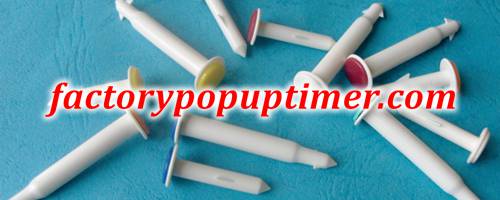
Disposable Pop-Up Timer Factory vs Trading Company: What Global Buyers Should Know
Disposable Pop-Up Timer Factory vs Trading Company: What Global Buyers Should Know
When sourcing disposable pop-up timers for food processing, retail, or distribution businesses, international buyers often face an important decision: should they work directly with a factory or purchase through a trading company?
Both models exist in global supply chains, but they provide different advantages. For companies requiring bulk orders, OEM customization, stable specifications, and long-term cooperation, understanding the difference between a disposable pop-up timer factory and a trading company can help reduce sourcing risks.
Disposable pop-up timers, also known as pop-up disposable cooking thermometers or popup disposable cooking timers, are specialized food temperature indication products used in turkey, poultry, meat processing, frozen food, and ready-to-cook applications.
What Is a Disposable Pop-Up Timer Factory?
A disposable pop-up timer factory is a manufacturer that directly manages the production process, including materials, manufacturing, quality control, and shipment preparation.
A specialized factory typically controls:
- Product design and specifications
- Raw material sourcing
- Production processes
- Quality inspection
- OEM customization
- Bulk order manufacturing
For industrial buyers, direct factory cooperation can provide better visibility into the complete supply chain.
What Is a Trading Company?
A trading company usually purchases products from manufacturers and sells them to overseas customers.
Trading companies can provide useful services such as:
- Supplier communication support
- Product sourcing assistance
- Export coordination
- Multi-product purchasing solutions
However, buyers should understand that trading companies may not directly control manufacturing processes.
Key Differences Between Factories and Trading Companies
| Factor | Factory Direct Supply | Trading Company |
|---|---|---|
| Production control | Direct control over manufacturing | Depends on external factories |
| Customization | Usually more flexible for OEM projects | Depends on supplier cooperation |
| Technical communication | Direct communication with production team | Communication through intermediary |
| Cost structure | Factory pricing without additional sourcing layers | May include additional service margins |
| Product expertise | Based on manufacturing experience | Based on sourcing experience |
Why Many B2B Buyers Prefer Direct Factory Sourcing
1. Better Understanding of Product Requirements
Disposable pop-up timers involve specific technical requirements, including temperature activation, material selection, and production consistency.
Direct communication with a manufacturer allows buyers to discuss:
- Product specifications
- Application requirements
- Quality expectations
- Customization details
2. Stronger OEM Capability
Many food companies and distributors require customized products rather than standard items.
Factory direct cooperation is often more efficient for:
- Custom temperature settings
- Custom colors
- Logo options
- Private label packaging
- Special production requirements
3. More Stable Long-Term Supply
For companies placing repeat orders, supply stability is critical.
A direct manufacturer can better manage:
- Production schedules
- Material preparation
- Capacity planning
- Quality consistency
When a Trading Company May Be Suitable
Trading companies can still provide value in certain situations.
They may be suitable for buyers who:
- Need many different product categories
- Prefer one supplier managing multiple products
- Require sourcing assistance
- Do not need deep technical communication
The best sourcing model depends on the buyer's specific requirements.
Why Product Specialization Matters
For industrial products, specialization is often a key indicator of manufacturing capability.
A factory focusing on disposable pop-up timers can develop deeper expertise in:
- Thermal sensing technology
- Food-grade material systems
- Production optimization
- Application knowledge
- Quality improvement
This focused experience can create advantages for buyers looking for a reliable long-term partner.
Questions Buyers Should Ask Before Choosing a Supplier
Before cooperation, purchasing teams should evaluate:
- Are you the actual manufacturer?
- How long have you specialized in this product?
- Can you support OEM customization?
- How do you control product quality?
- What industries do you currently serve?
- Can you support long-term bulk supply?
These questions help buyers understand whether a supplier matches their business needs.
Factory Direct Supply for Food Industry Applications
Food companies often require suppliers who understand commercial production environments.
Typical customers include:
- Turkey processors
- Poultry companies
- Frozen food manufacturers
- Foodservice suppliers
- Private label brands
- Import distributors
For these customers, supply reliability and product consistency are usually more important than simply finding the lowest purchase price.
Frequently Asked Questions About Pop-Up Timer Factories and Trading Companies
Is buying directly from a factory always cheaper?
Factory direct purchasing can reduce additional sourcing layers, but buyers should evaluate total value, including quality, service, and supply reliability.
Can trading companies provide OEM products?
Some trading companies can arrange OEM production, but buyers may have less direct communication with the actual manufacturer.
Why is direct communication with a factory important?
Direct communication helps avoid misunderstandings regarding technical specifications, quality requirements, and customization details.
What type of buyers usually choose factories?
Large food companies, distributors, importers, and brands requiring repeat bulk supply often prefer direct manufacturers.
How can buyers verify a factory supplier?
Buyers can review manufacturing experience, production capability, quality systems, certifications, and export history.
Choosing the Right Supply Partner
The decision between a disposable pop-up timer factory and a trading company depends on business objectives. For buyers seeking customized products, stable supply, and long-term cooperation, working directly with a specialized manufacturer can provide important advantages.
A reliable factory partner becomes more than a supplier. It becomes part of the customer's global supply chain strategy.
Disclaimer: The term "pop up timer" has become a common product category name in the food thermometer industry. This website represents an independent manufacturer from China specializing in disposable pop-up timers. We are not affiliated with, authorized by, or connected to any other brands, companies, or trademark owners mentioned in the market.